
A police report template PDF streamlines incident documentation, ensuring consistency, accuracy, and legal compliance․ It offers a structured format for officers to record facts, evidence, and statements efficiently․ It supports signatures and audit trails․!

Overview
Police report template PDFs are essential tools that standardize the way law enforcement agencies document incidents, ensuring that each report contains all necessary details in a clear, consistent format․ By using a pre‑designed template, officers can quickly capture vital information such as the date, time, location, parties involved, and a concise narrative of the event․ The template typically includes sections for identifying the reporting officer, a detailed description of the incident, any evidence collected, witness statements, and the actions taken in response․ Additionally, it often incorporates fields for legal citations, procedural steps, and required signatures, which help maintain the report’s admissibility in court․ The use of a PDF format guarantees that the document remains unaltered, preserving its integrity and ensuring that all parties can view the same version regardless of software differences․ Many templates also allow for electronic filling and digital signatures, which streamline the workflow and reduce the need for paper․ By adopting a police report template PDF, agencies improve accuracy, reduce errors, and facilitate faster processing of reports, ultimately supporting justice and accountability in the community․ The template supports multi fields, letting officers record incidents in language while keeping legal clarity!!․
Why Use a PDF Template
Using a PDF template for police reports ensures uniformity, quick data entry, and legal integrity․ It locks format, supports digital signatures, and guarantees that report meets agency standards and court admissibility requirements․
Benefits
Adopting a PDF template for police reports delivers clear operational and legal advantages․ It enforces a uniform structure, ensuring that essential fields—such as incident time, location, officer ID, and witness details—are always captured․ This consistency reduces omissions and speeds data entry, freeing officers to focus on investigation․ The PDF format locks the layout, preventing accidental edits, and supports digital signatures, guaranteeing authenticity and audit trails․ Built‑in validation rules flag incomplete or inconsistent entries, improving data quality․ The standardized format also eases integration with case‑management and evidence‑tracking systems, allowing seamless export to court filing portals․ Training new officers becomes simpler, as the template provides a visual guide to required information․ Statistical analysis benefits from uniform data, enabling accurate crime‑mapping, trend reports, and resource allocation studies․ Central updates to the template reflect policy changes instantly, keeping all reports compliant without retraining․ In sum, a police report PDF template boosts efficiency, data integrity, legal defensibility, interoperability, and organizational consistency, making it an indispensable tool for law‑enforcement agencies Moreover, the template’s compatibility with mobile devices allows officers to submit reports on the go, ensuring real‑time updates to central databases․ The consistent format also supports automated quality checks, reducing the need for manual reviews and lowering administrative costs․ Finally, the use of a standardized template promotes transparency and accountability across departments, fostering public trust․

Key Sections of the Template
The template features sections for incident details, officer data, victim and witness statements, evidence logs, and administrative notes, each with mandatory fields and optional attachments․ Each field is validated․ !!!․
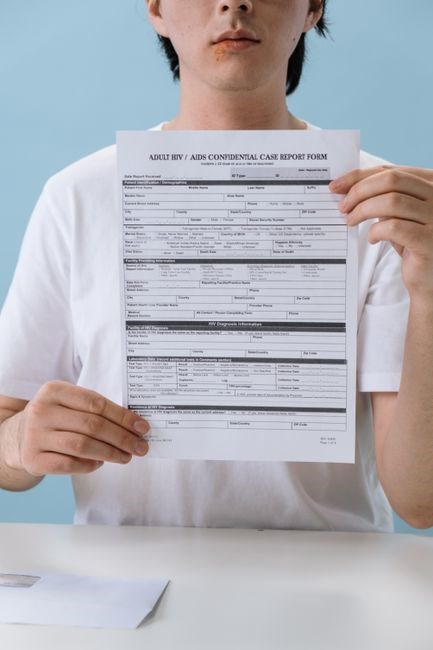
Essential Fields
Essential fields in a police report template PDF serve as the backbone of accurate, legally defensible documentation․ They capture the who, what, when, where, and why of an incident, ensuring that every critical detail is recorded in a consistent, structured manner․ The core fields typically include the incident number, date and time, location, reporting officer’s badge number, and the officer’s name․ Victim and suspect identifiers—such as full names, addresses, dates of birth, and contact information—are mandatory to establish identity and facilitate follow‑up․ Witness statements are captured with names, contact details, and a brief narrative of observations․ Evidence logs require item numbers, descriptions, custody chain, and storage locations to maintain integrity․ Scene photographs, video links, and forensic reports are linked through reference codes․ Administrative fields such as case status, disposition, and court docket numbers allow for tracking through the justice system․ Signature blocks for the reporting officer, supervisor, and any involved parties provide accountability․ Optional fields for additional notes, policy references, and internal comments offer flexibility without compromising the report’s core structure․ Together, these essential fields form a comprehensive, auditable record that supports investigative, prosecutorial, and civil processes․ By adhering to these fields, law enforcement agencies maintain uniformity across jurisdictions, enhance data interoperability, and streamline reporting workflows, ultimately strengthening public trust and accountability․ All fields are mandatory for compliance!․

How to Customize
Customize with care: Use the template’s editable fields to tailor sections to your jurisdiction’s protocols․ Adjust headings, add custom checklists, and insert agency logos․ Save changes as a new PDF, preserving the original for audit trails․ Check!
Step-by-Step Guide
Begin by opening the PDF in a compatible editor․ Locate the placeholder fields marked in blue․ Click each field to input data: incident date, time, location, parties involved, and narrative․ Use the toolbar to add checkboxes for evidence items․ Insert signatures by selecting the signature field and applying a digital signature․ Once all fields are completed, review for accuracy․ Save the document with a new filename to preserve the original template․ Distribute the finalized report via secure email or upload to the department’s case management system․ Maintain a backup copy on encrypted storage․ Regularly update the template to reflect policy changes and legal requirements․ This systematic approach ensures consistency, compliance, and ease of audit․ When customizing, always verify field alignment to prevent data overlap․ Utilize the form’s built‑in validation rules; for example, date fields should accept only valid dates, and numeric fields should restrict to numbers․ If your jurisdiction requires, embed a signature pad that captures the officer’s real‑time signature․ After completion, run a checksum to detect any tampering; Store the final PDF in a secure, access‑controlled repository, and log the file’s hash for future integrity checks․ Periodically audit template compliance with legal standards․

File Formats and Compatibility
Police report PDFs must be universally accessible․ Use PDF/A for archival stability, ensuring all fonts and metadata are embedded․ Check compatibility with mobile desktop readers, verify that form fields remain interactive across versions; Test updates with PDF/A․?!
Conversion Tips
Converting a police report template from Word to PDF requires attention to layout, form fields, metadata, and signature compliance․ Use the “Save As” or “Export” feature and choose PDF/A‑1b to lock fonts and ensure long‑term archival stability․ After conversion, open the PDF in a reader such as Adobe Acrobat Pro and verify that all interactive fields remain functional and that the tab order follows the logical sequence of the report․ If fields are missing, recreate them with a form‑building tool․
Embed essential metadata: report number, date, officer ID, jurisdiction, and keywords․ This information aids indexing and retrieval during audits or court proceedings․ Add it via the “Document Properties” dialog․ For electronic signatures, apply a certified signature from a trusted authority and confirm that the signature remains valid after signing․ Some jurisdictions require a specific signature format, so check local regulations․
Finally, validate the PDF with a PDF/A validator such as VeraPDF or Adobe Preflight․ Resolve any errors—missing fonts, color space issues, or non‑compliant elements—before distribution․ Following these steps ensures the converted template retains its professional appearance, legal validity, and interoperability across platforms․ End of guide․ !!!

Submission Guidelines
Police reports must be submitted electronically via the department’s secure portal using PDF upload form․ Ensure file is named with incident number and date․ Attach documents and confirm digital signature is valid․ and verify signature! Submit within 48 hours․
Where to Submit
Police report PDFs must be sent to the department’s secure online portal, usually located on the agency’s official website under “Incident Reports” or “Electronic Filing․” For larger jurisdictions, the portal may be part of a statewide crime‑reporting system that requires a user account and two‑factor authentication․ When uploading, choose the “Incident Report PDF” option, attach the file, enter the incident number, and confirm the officer’s digital signature․ If the department offers a mobile application, the same upload process applies, but the app may prompt for a QR code scan to verify the user․ If electronic submission is not possible, mail the PDF to the records office, addressing it to the “Records Clerk” with the incident number in the subject line․ Always keep a copy of the submitted PDF and verify receipt through the portal’s confirmation page or an automated email․ For inter‑agency sharing, some departments allow uploads to a shared database via the “Inter‑Agency Transfer” feature, ensuring the file follows the naming convention (e․g․, INC20240815_001․pdf)․ If the incident involves a federal element, submit through the FBI’s Criminal Justice Information Services (CJIS) portal, following their encryption and data‑handling guidelines․ Submitting to the wrong channel can delay processing, cause data loss, or create legal issues, so double‑check the destination before finalizing the upload․ Ensure the PDF follows the naming convention: INCYYYYMMDD_###․pdf․ Use PDF/A format!

Legal Considerations
Police report PDFs must comply with privacy laws, chain‑of‑custody rules, and digital signature standards․ Unauthorized alteration can void evidence, while proper encryption protects sensitive data․ Ensure local laws are met․ now!

Legal Implications
Police report templates in PDF format carry significant legal weight, serving as official records for civil and criminal proceedings․ Accuracy and completeness are critical; omissions or misstatements can lead to admissibility challenges and evidentiary disputes․ PDFs can be easily altered, so robust digital signatures and encryption are essential to preserve integrity․ Law enforcement agencies must adhere to chain‑of‑custody protocols, logging each handoff and authenticating the document․ Failure to follow these protocols can render the report inadmissible, jeopardizing investigations․ Privacy statutes such as GDPR and CCPA impose strict requirements on personal data handling; templates should allow redaction before distribution․ When shared with prosecutors, courts, or media, the PDF must comply with confidentiality agreements and court orders․ A standardized template mitigates liability by providing an auditable trail, but officers must still exercise professional judgment and not rely solely on the template․ Proper training on legal implications and error consequences is essential for maintaining credibility and protecting rights․ Additionally, agencies should log any template changes, ensuring version control logs support audit trails and prevent disputes over authenticity for all users staff!
This PDF template consolidates reporting, ensuring consistency, legal compliance, and efficiency․ By standardizing data capture, it reduces errors and speeds investigations․ Proper use safeguards evidence integrity and supports justice for all stakeholders and integrity!!

Final Thoughts
In the evolving landscape of law enforcement, a standardized police report template in PDF format emerges as a pivotal tool for ensuring clarity, consistency, and compliance across jurisdictions․ By embedding a uniform structure that captures essential details—such as incident chronology, involved parties, evidence logs, and officer observations—this template not only streamlines the reporting process but also fortifies the evidentiary chain․ The PDF format, with its inherent resistance to tampering and its ability to embed digital signatures, further safeguards the integrity of the record, providing a reliable foundation for subsequent investigations, court proceedings, and administrative reviews․ Moreover, the template’s adaptability allows agencies to tailor specific sections to local regulations or specialized units, fostering both standardization and flexibility․ The adoption of such templates promotes interoperability between departments, enhances data analytics capabilities, and ultimately contributes to a more transparent and accountable justice system․ As technology continues to advance, integrating features like QR codes, embedded multimedia, and automated data validation can elevate the template’s utility, ensuring that every report remains both comprehensive and user‑friendly․ Embracing reflects commitment!!!